Accessibilitànei luoghidellacultura




personeper.it is the first website in Italy entirely dedicated to accessibility issues in cultural sites.
It is a place for reflection, meeting, and discussion, open both to those who produce, promote, and organize culture, and to those who access and participate in culture.
personeper.it è un sito realizzato nell'ambito di Personeper. Accessibilità nei luoghi della cultura




Readings
Readings are the many views and perspectives that – on the subject of accessibility – intersect at every moment of the cultural experience: from the welcome in cultural venues, to the experience lived within them, to the collaborative creation of new models of interaction.
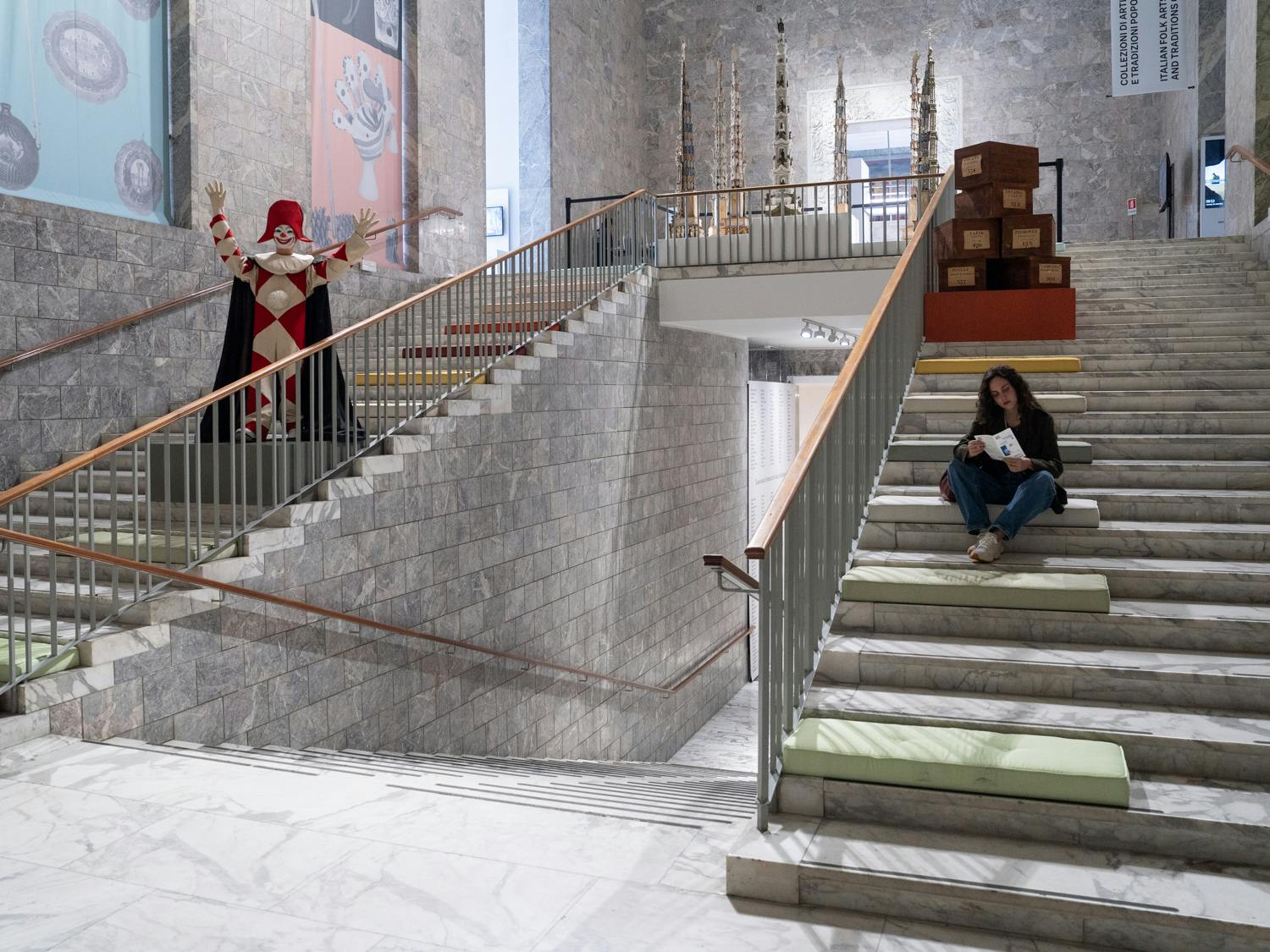
Rome, Museo delle Cività. Exhibition Le fiabe sono vere. Staircase leading to the first floor.
Photo by Pierfancesco Celada / Gramma Studio
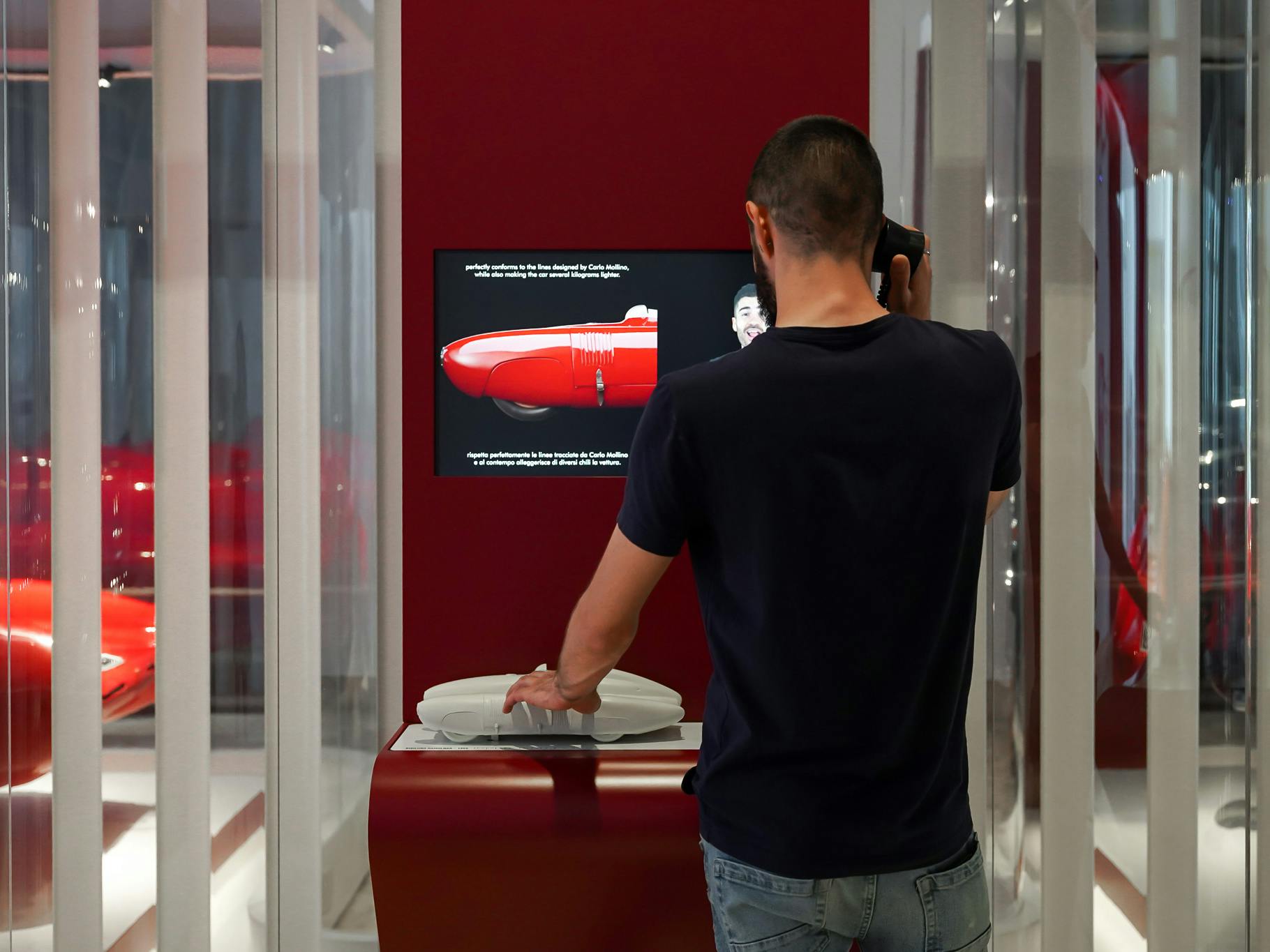
Milan, Leonardo da Vinci National Museum of Science and Technology. Exhibition Fatte su misura.
Photo by Elena Galimberti / Leonardo da Vinci National Museum of Science and Technology
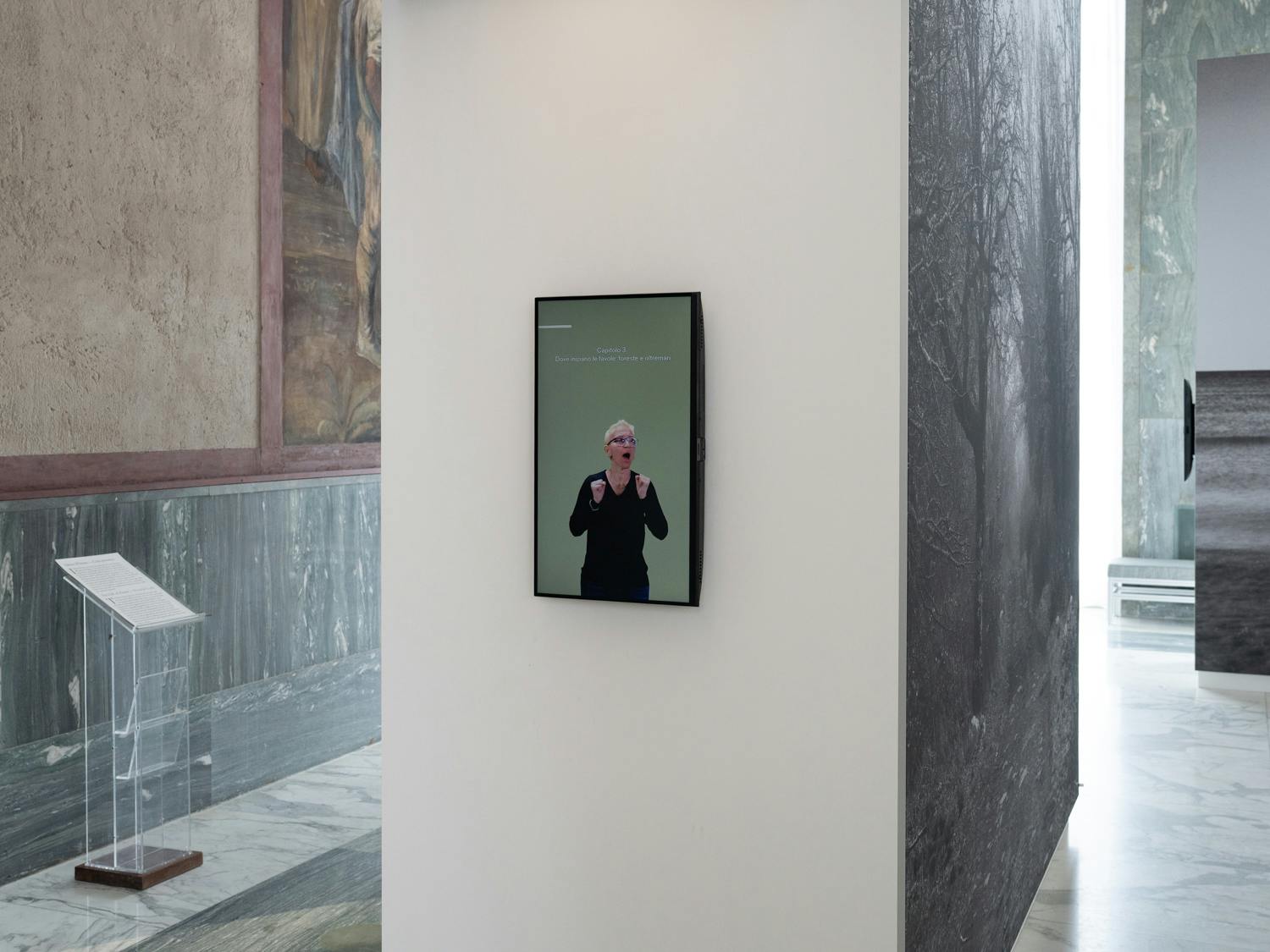
Rome, Museo delle Civiltà. Exhibition Le fiabe sono vere. Screen with an explanation in the Italian Sign Language.
Photo by Pierfancesco Celada / Gramma Studio
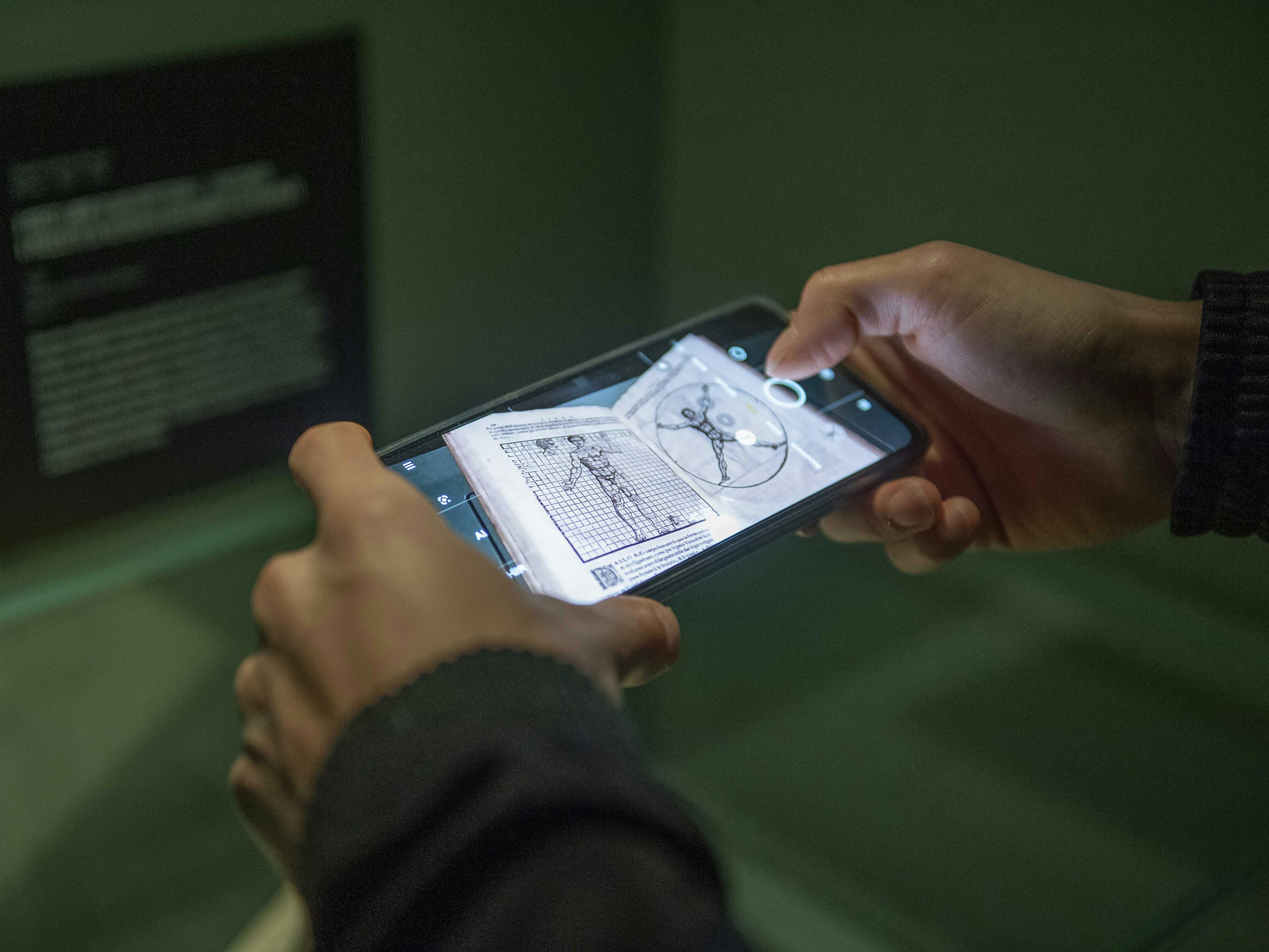
Milan, Leonardo da Vinci National Museum of Science and Technology. Exploration via smartphone.
Photo by Andrea Fasani / Leonardo da Vinci National Museum of Science and Technology
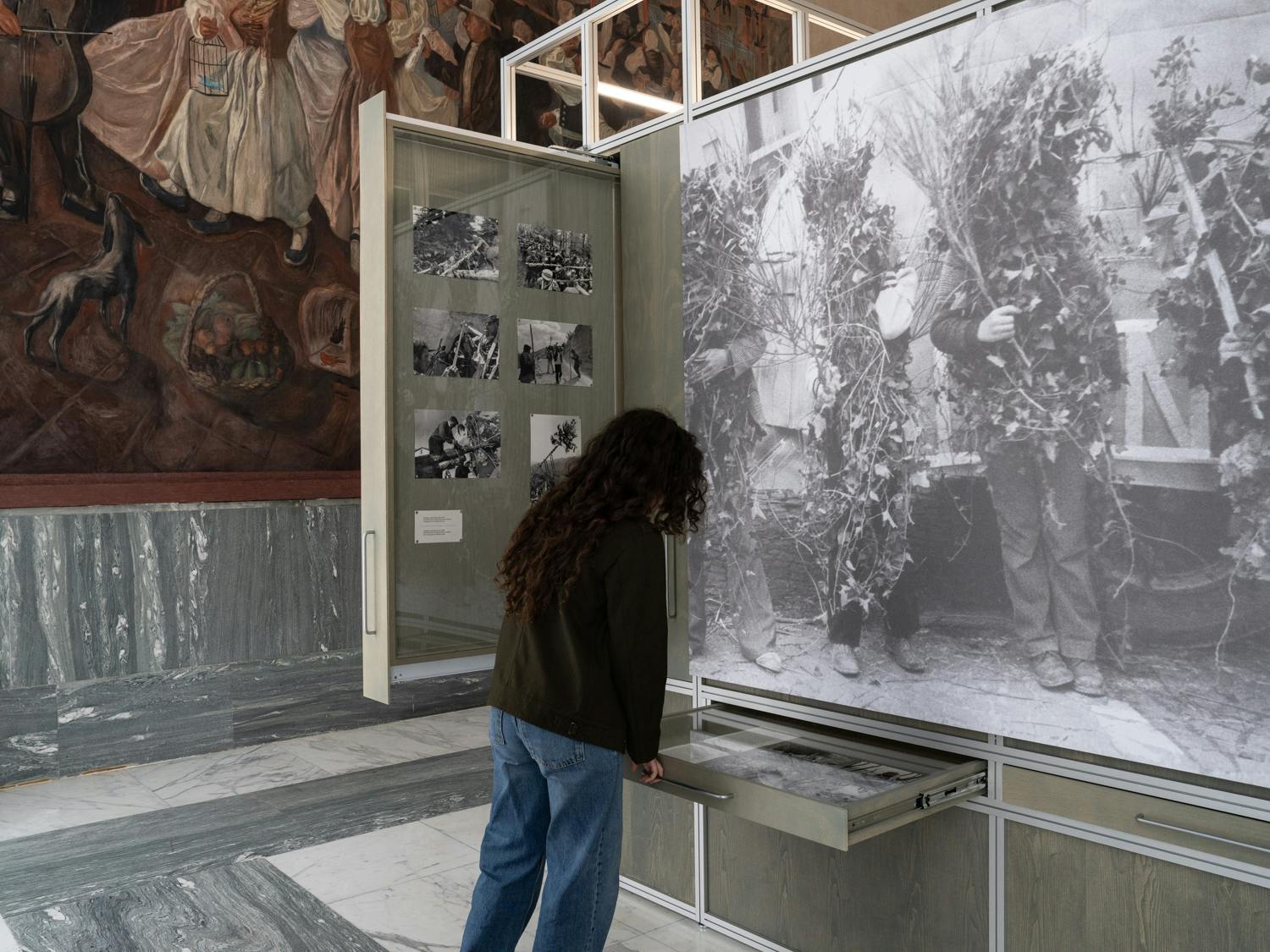
Rome, Museo delle Civiltà. Exhibition Le fiabe sono vere. Exploration of display drawers.
Photo by Pierfancesco Celada / Gramma Studio
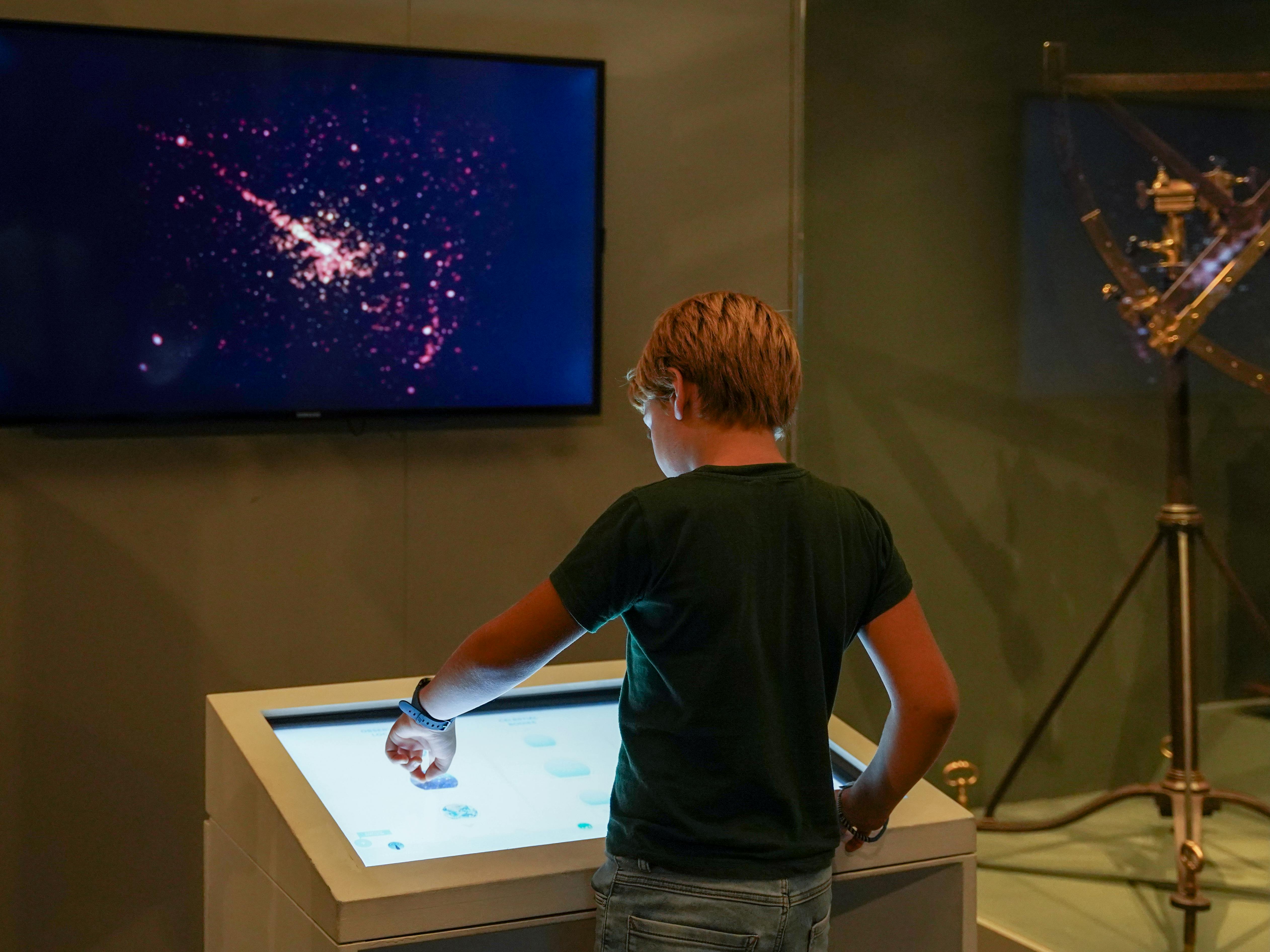
Milan, Leonardo da Vinci National Museum of Science and Technology. Permanent exhibition Spazio.
Photo by Elena Galimberti / Leonardo da Vinci National Museum of Science and Technology
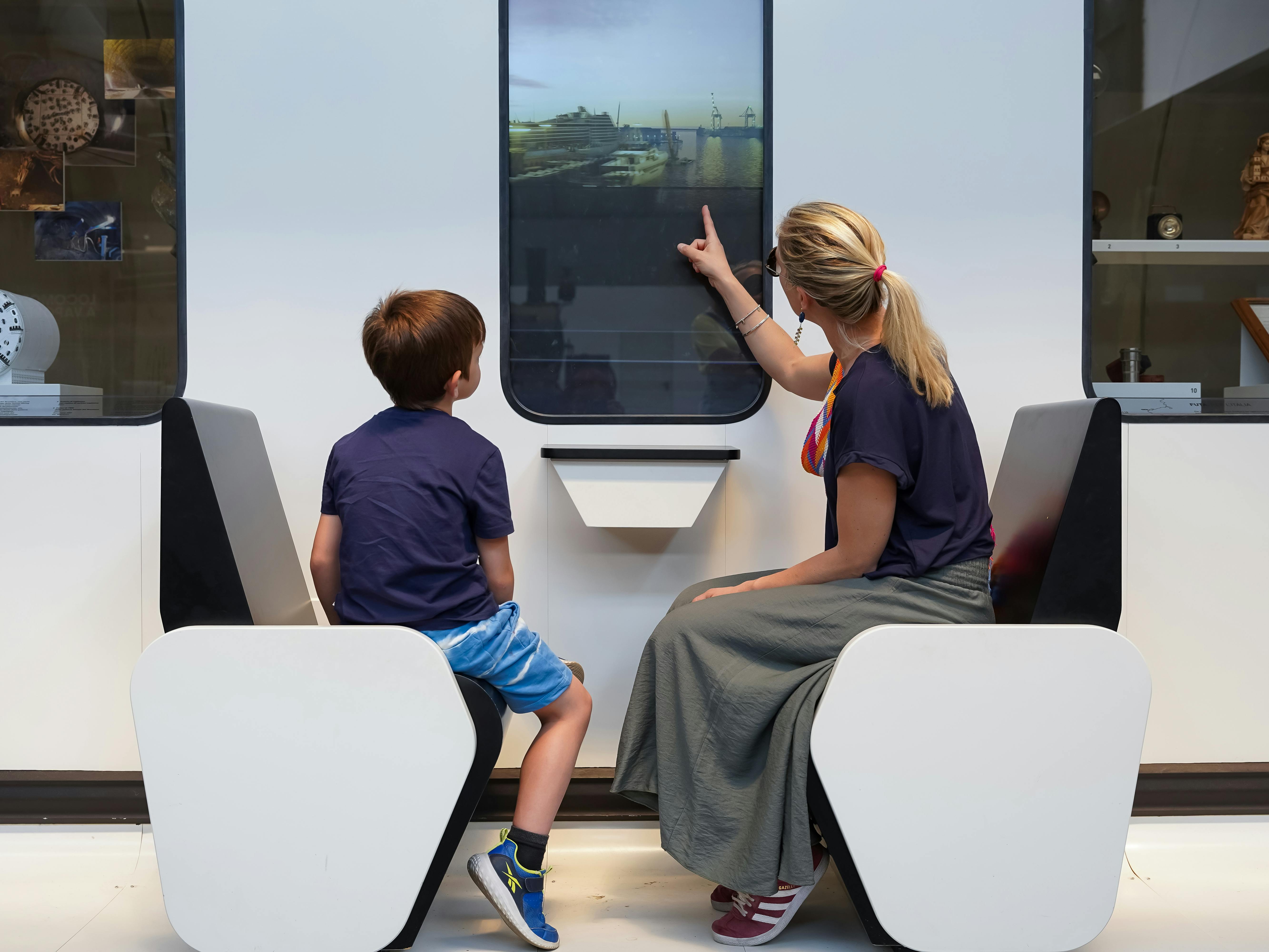
Milan, Leonardo da Vinci National Museum of Science and Technology. Permanent exhibition Oltrepassare.
Photo by Elena Galimberti / Leonardo da Vinci National Museum of Science and Technology
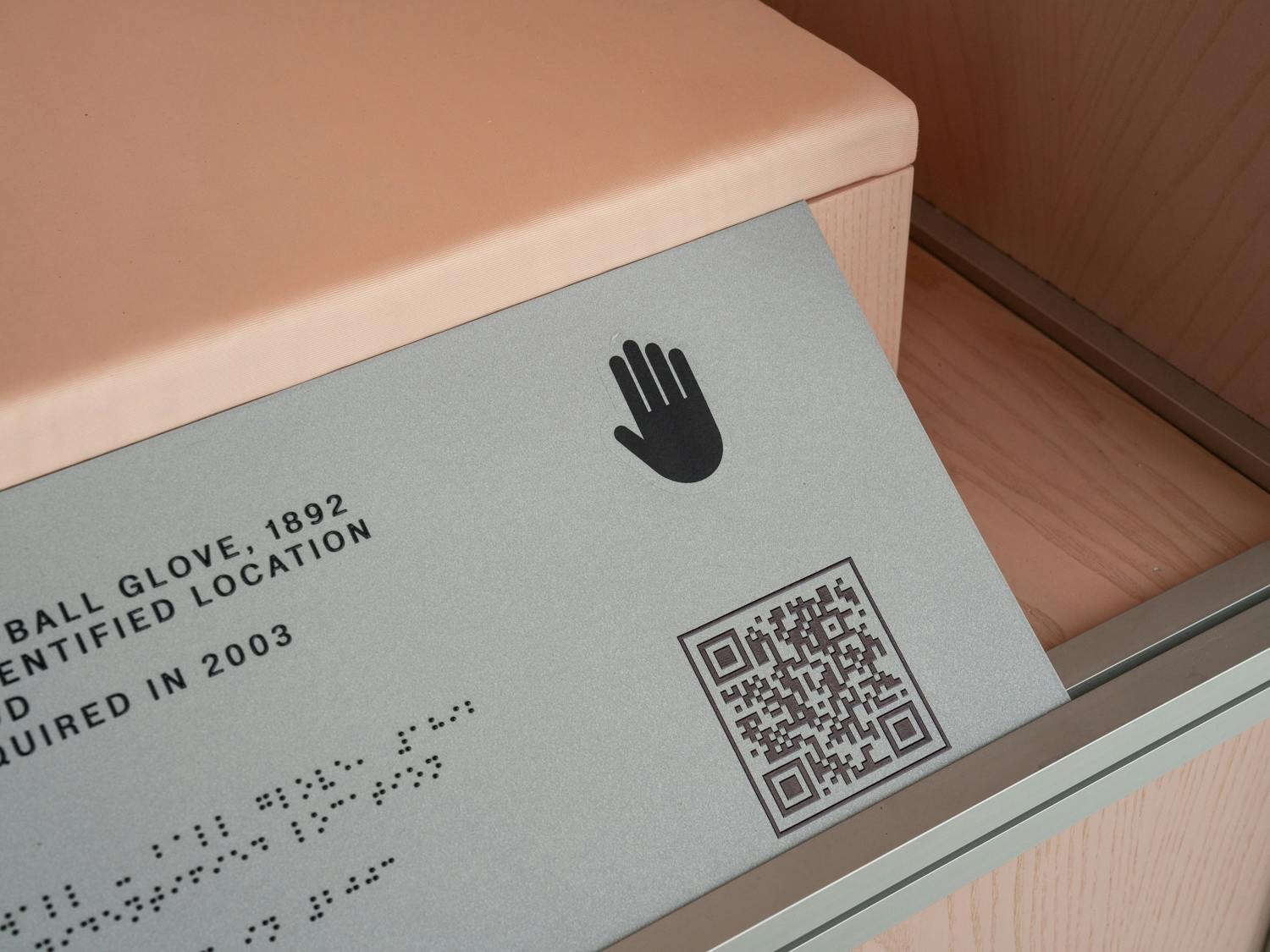
Rome, Museo delle Civiltà. Exhibition Le fiabe sono vere. Interactive QR code "listen, explore and discover".
Photo by Pierfancesco Celada / Gramma Studio
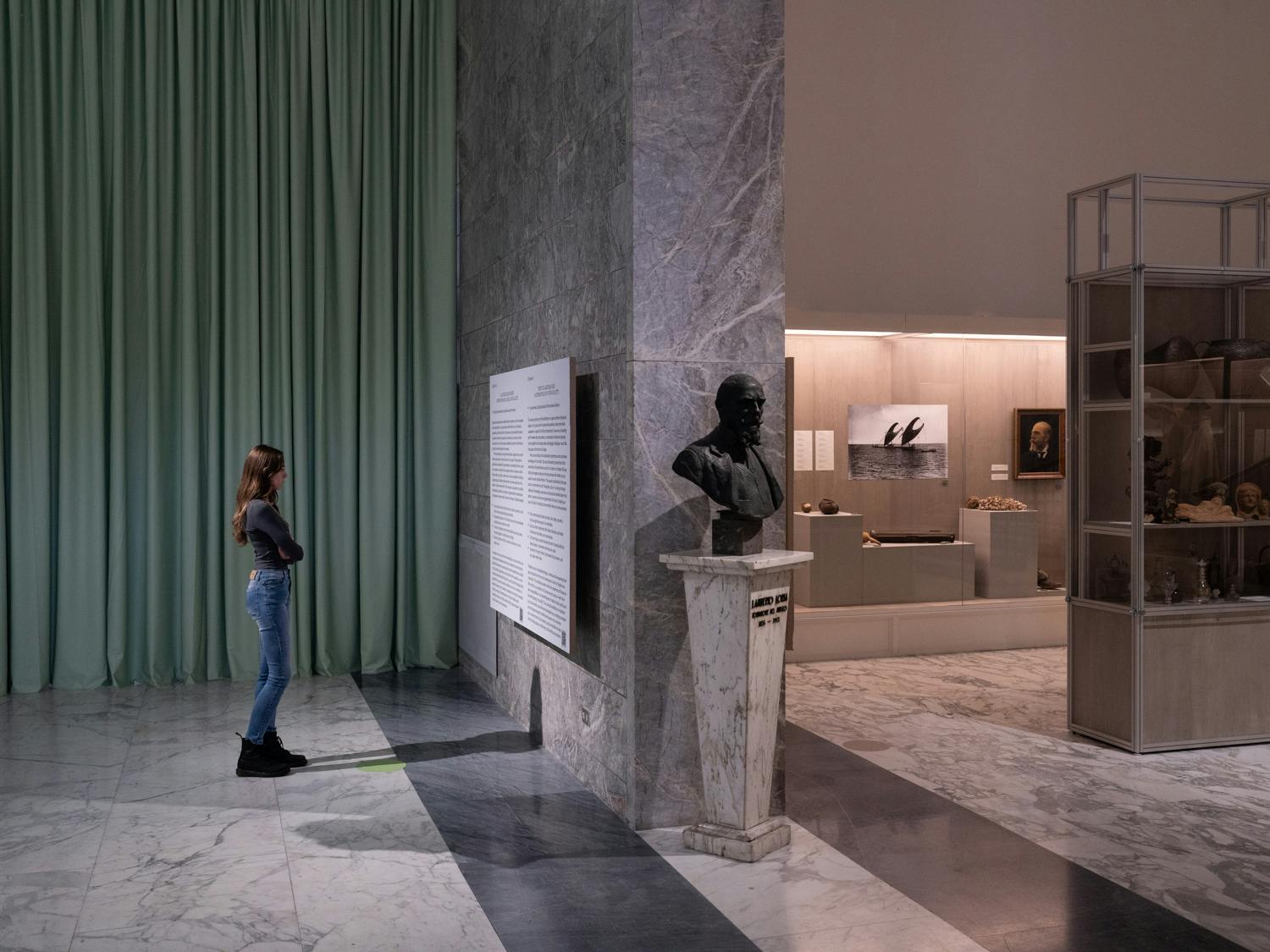
Rome, Museo delle Civiltà. Exhibition Le fiabe sono vere. A room.
Photo by Pierfancesco Celada / Gramma Studio
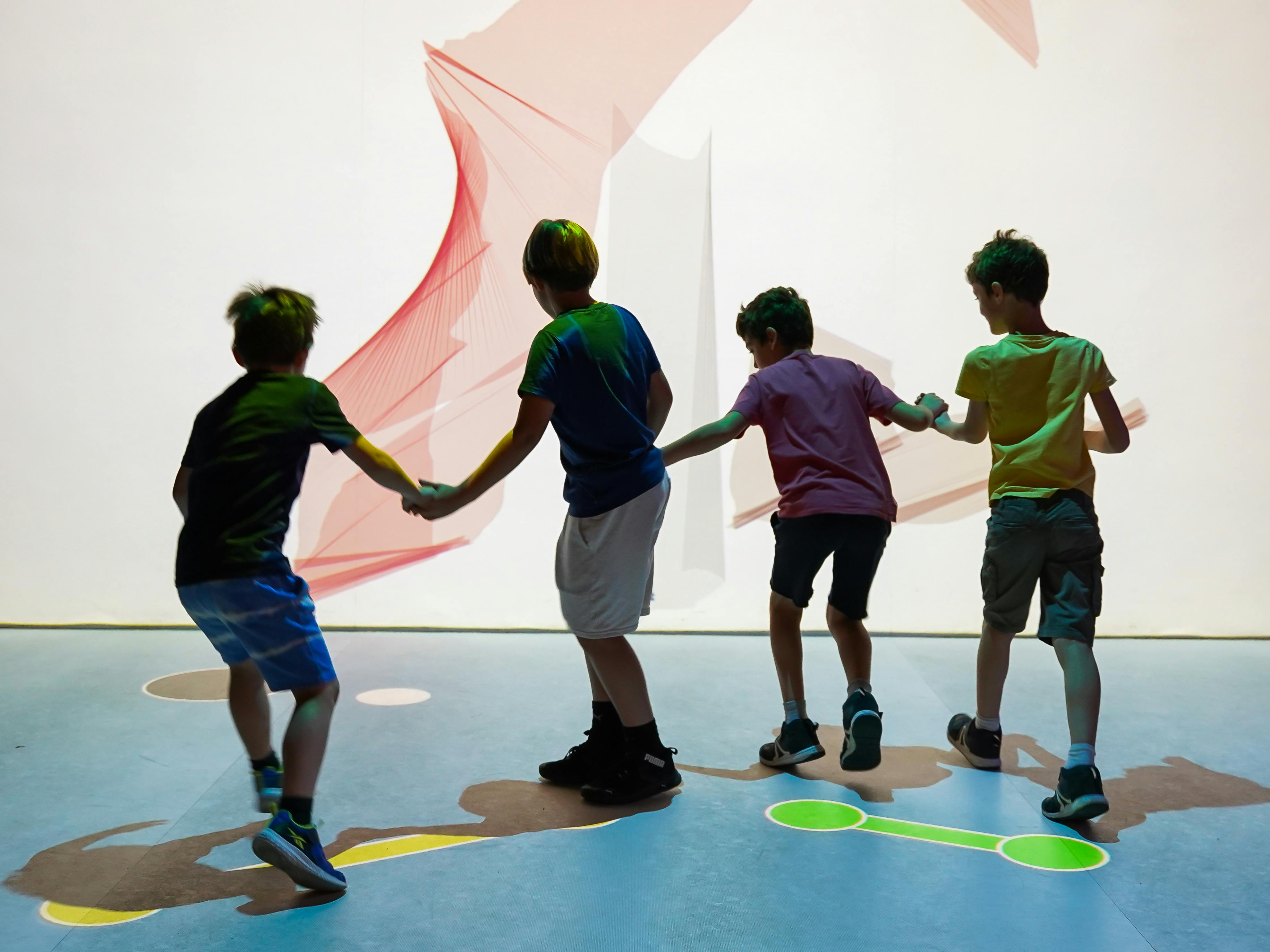
Milan, National Museum of Science and Technology Leonardo da Vinci.
Photo by Elena Galimberti / National Museum of Science and Technology Leonardo da Vinci
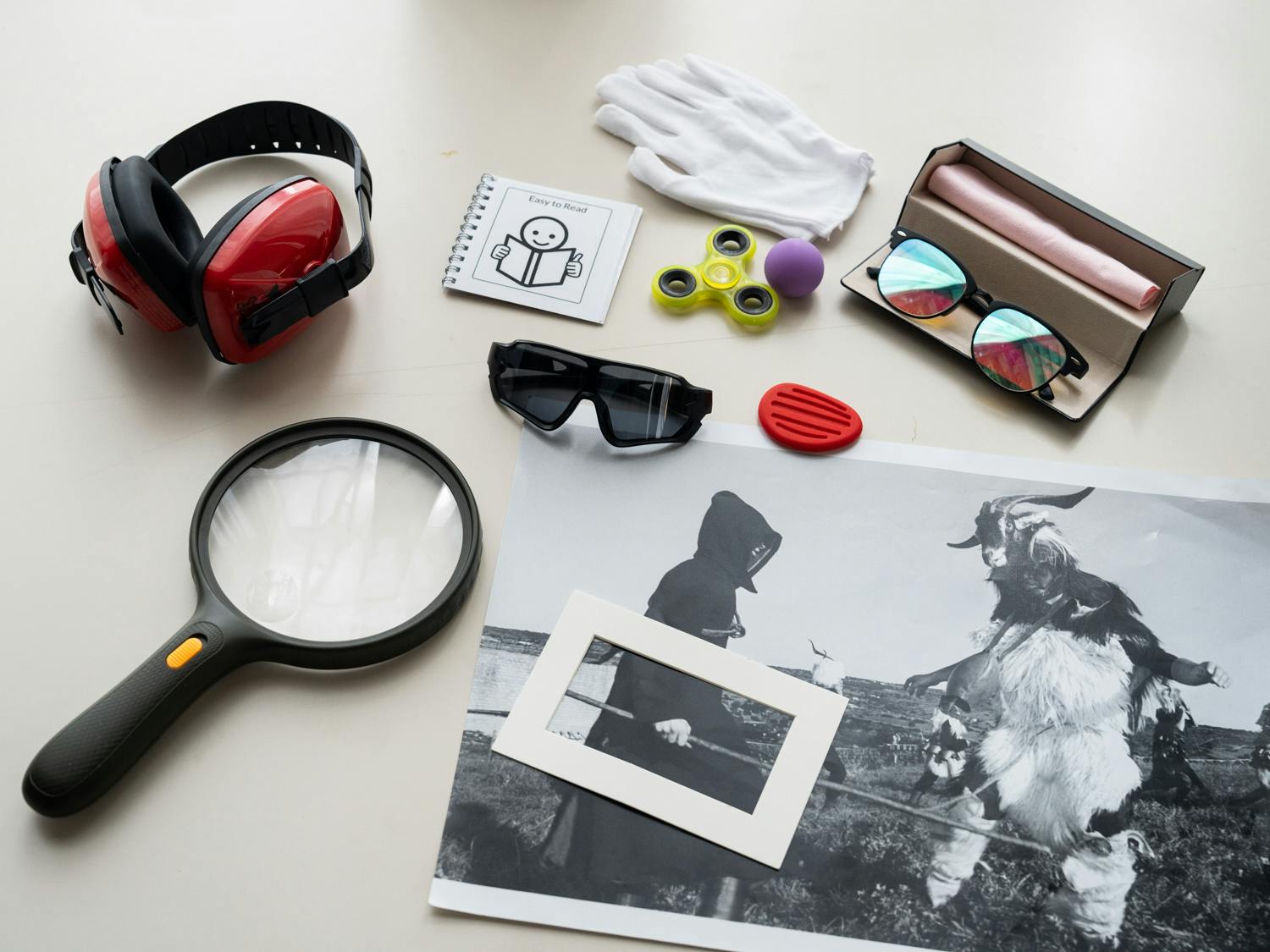
Rome, Museo delle Civiltà. Exhibition Le fiabe sono vere. Objects contained in the Focus Box and Sensory Bag.
Photo by Pierfancesco Celada / Gramma Studio
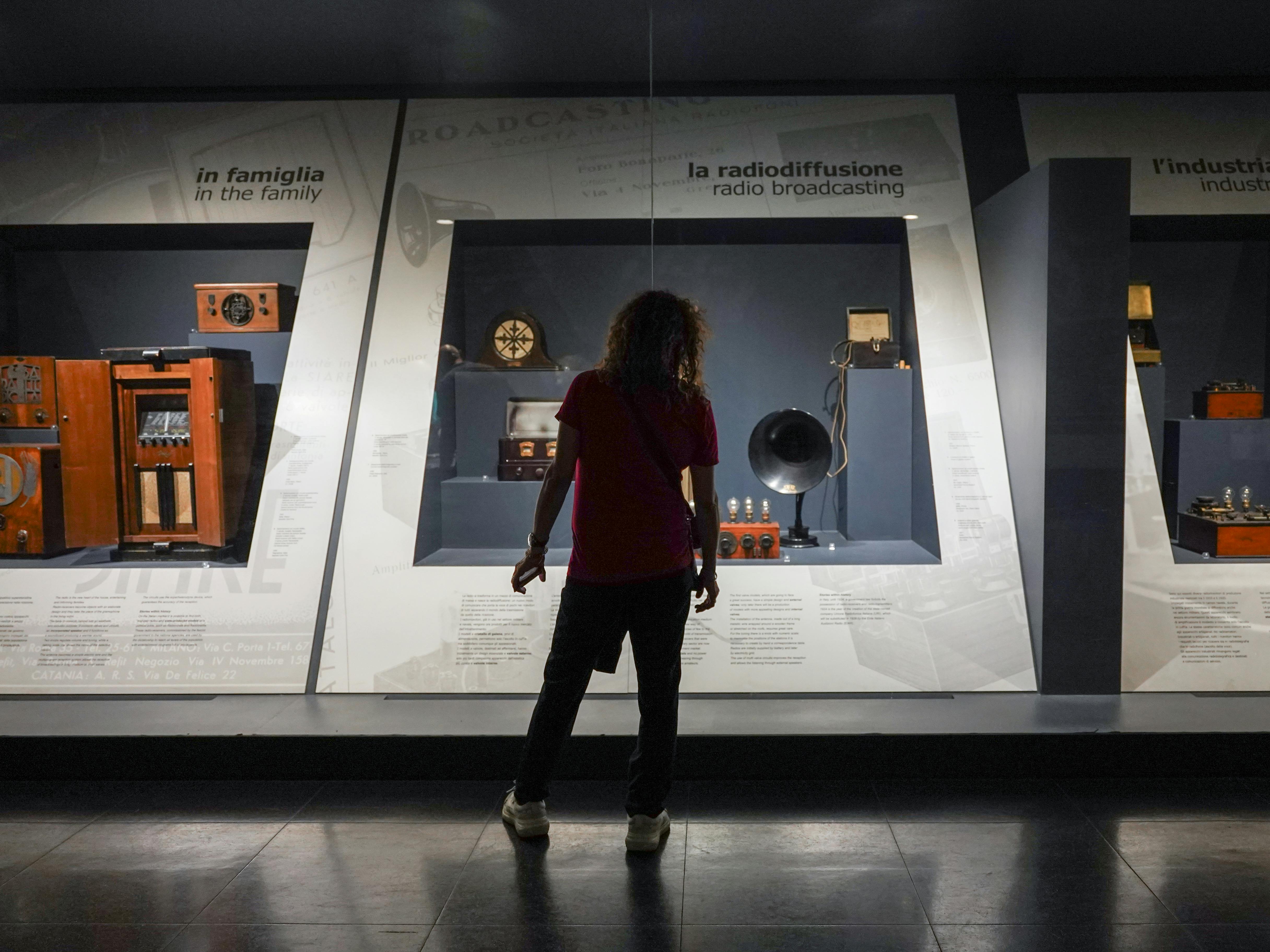
Milan, Leonardo da Vinci National Museum of Science and Technology. Permanent exhibition Telecomunicazioni.
Photo by Elena Galimberti / Leonardo da Vinci National Museum of Science and Technology
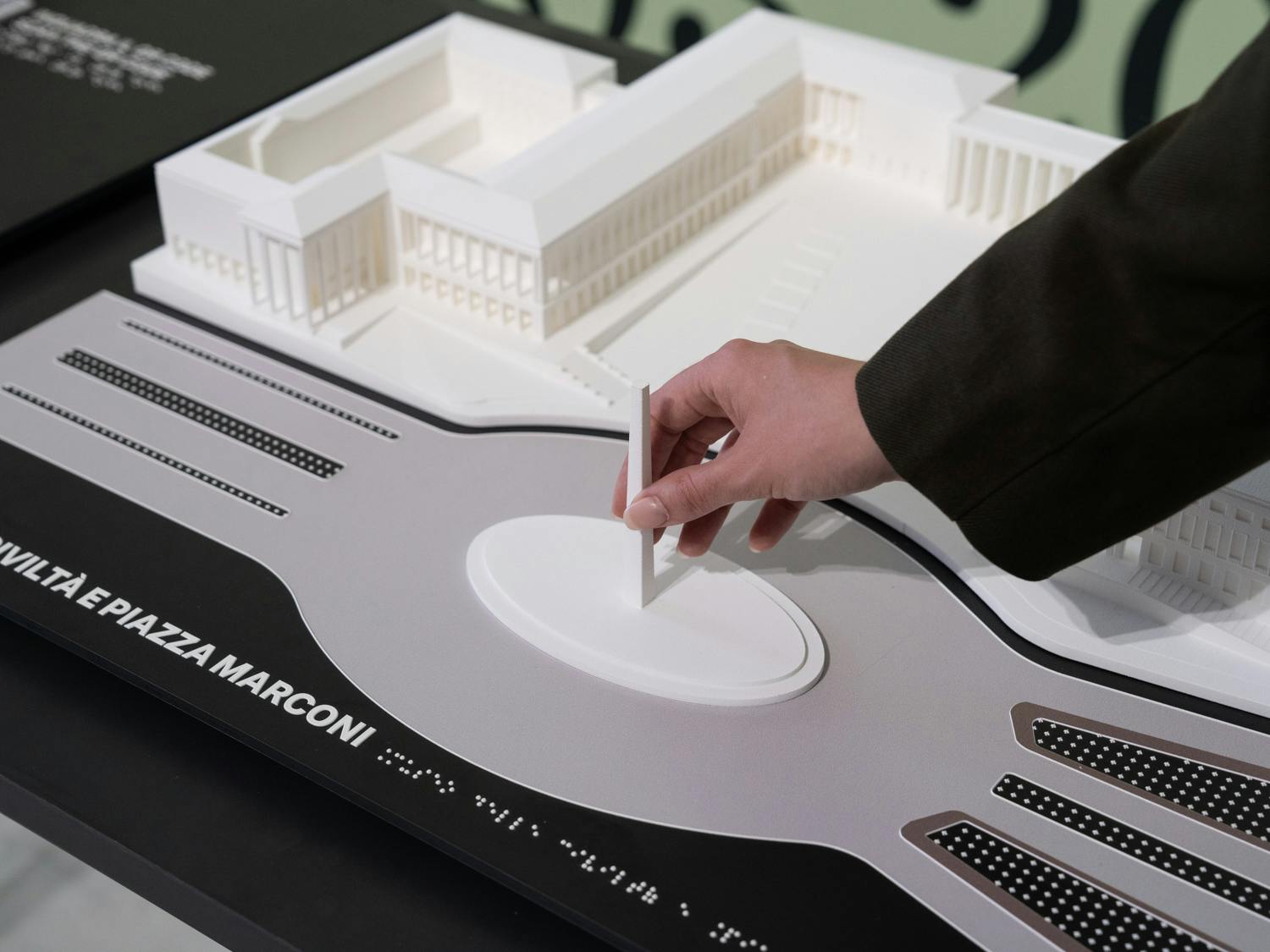
Rome, Museo delle Civiltà. Three-dimensional tactile model of Piazza Marconi and the Museum buildings.
Photo by Pierfancesco Celada / Gramma Studio
Glossary
A glossary, navigable and hypertextual, of words defined and redefined, sometimes by the authority of history and the scientific and social disciplines, sometimes by the force of facts, by an intuition, by an inspiration.
Agency
Agency is the ability to act actively and transformatively within the context in which one is placed, a capacity that arises from the belief in being able to exert influence over situations or the state of affairs.
There are two types of agency to encourage: that of every individual within the museum context and that of the museums themselves in society, where, by virtue of their role and responsibilities, they can generate positive change.
[Gruppo di Lavoro Accessibilità, ICOM Italia, 10 parole, 2024, edited by Irene Balzani, Sofia Bilotta, Rosa Di Lecce, Irene Innocente, Federica Pascotto]
Community
Every museum must consider the various communities, understood as relational systems, and represent them. Museums can also promote a sense of mutual connection, permeability between different groups, and in turn create plural communities. As an institution, the museum must also ensure that every visitor feels comfortable and recognized as part of the museum community.
[Gruppo di Lavoro Accessibilità, ICOM Italia, 10 parole, 2024, edited by Irene Balzani, Sofia Bilotta, Rosa Di Lecce, Irene Innocente, Federica Pascotto]