
Accessibility as a paradigm: the V&A East Storehouse
From the warehouse to the public: the accessibility revolution in the heart of London
by Marta Atzeni
Since it opened its doors last May in the heart of the Queen Elizabeth Olympic Park in London, the V&A East Storehouse has inaugurated a new chapter of contemporary museology. Housed in the former Media and Broadcast Centre of the 2012 Olympics – a 16,000 sqm building – the new depot of the Victoria & Albert Museum radically redefines the relationship between museum, collection, and public under the banner of accessibility.
Designed by the New York-based studio Diller Scofidio + Renfro, the Storehouse not only addresses the now essential variations of museum design and user experience for audiences with bodies, times, and sensitivities of all kinds – pathways free of architectural barriers, quiet spaces, hearing loops, tactile maps, large print editions, audio guides, and videos in British Sign Language (BSL). Making accessible over 500,000 objects from the largest collection of decorative art in the world, the Storehouse overturns the logic whereby the museum depot, an operational place where the collection is conserved, restored, and studied, must remain hidden from the public's gaze (and more).
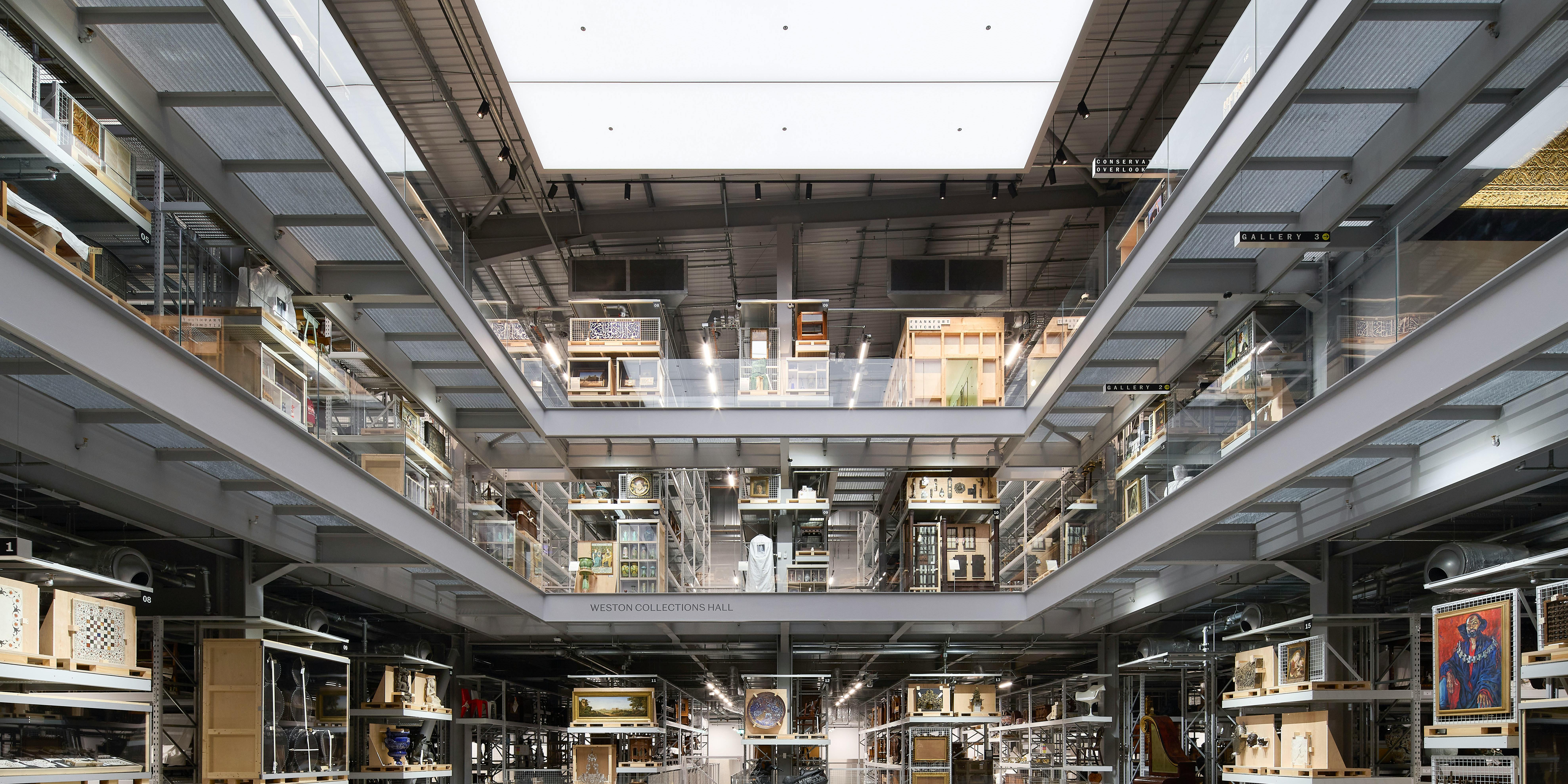
The project adopts a concentric ring layout, where the level of access increases as you move away from the facade. From the street-level entrance, the visit route passes through the storage shelves up to the Weston Collections Hall, a 20-meter high covered courtyard at the center of the complex. Around it unfold three levels of shelves filled with objects of every era, scale, and creative discipline, while a glass section of the floor reveals the heaviest artifacts stored on the lower level.
In this space free of predetermined paths and barriers, direct contact with objects becomes an integral part of the visit. Freed from the first internalized rule of any museum experience – do not touch – the visitor is invited to a personal exploration of the collection, building their own path according to interests and curiosities. A personalization of the experience encouraged by programs such as Order an Object, which allows booking specific artifacts to observe them up close in dedicated rooms, and Object Encounters, small group meetings with selected pieces curated by the V&A team.
To the amazement of encountering a fragment of the Robin Hood Gardens facade, a giant Picasso tapestry, David Bowie’s stage costumes, or a Mughal colonnade is added the insight behind the scenes of the museum machinery. Within the depot, four restoration studios and a conservation laboratory for 100,000 garments, accessories, and textiles operate; visitors can also witness the installation of new acquisitions and the preparation of works destined for loans.
It is no coincidence that Elizabeth Diller compared the V&A East Storehouse to the Cabinet of Curiosities of the 16th century, private collections of rare and wonderful objects that aroused astonishment and wonder. In the East London museum, this logic translates into a form of cultural accessibility that invites exploration without prescriptions, to put distant material worlds into dialogue, and to read the history of things as an open network of meanings.
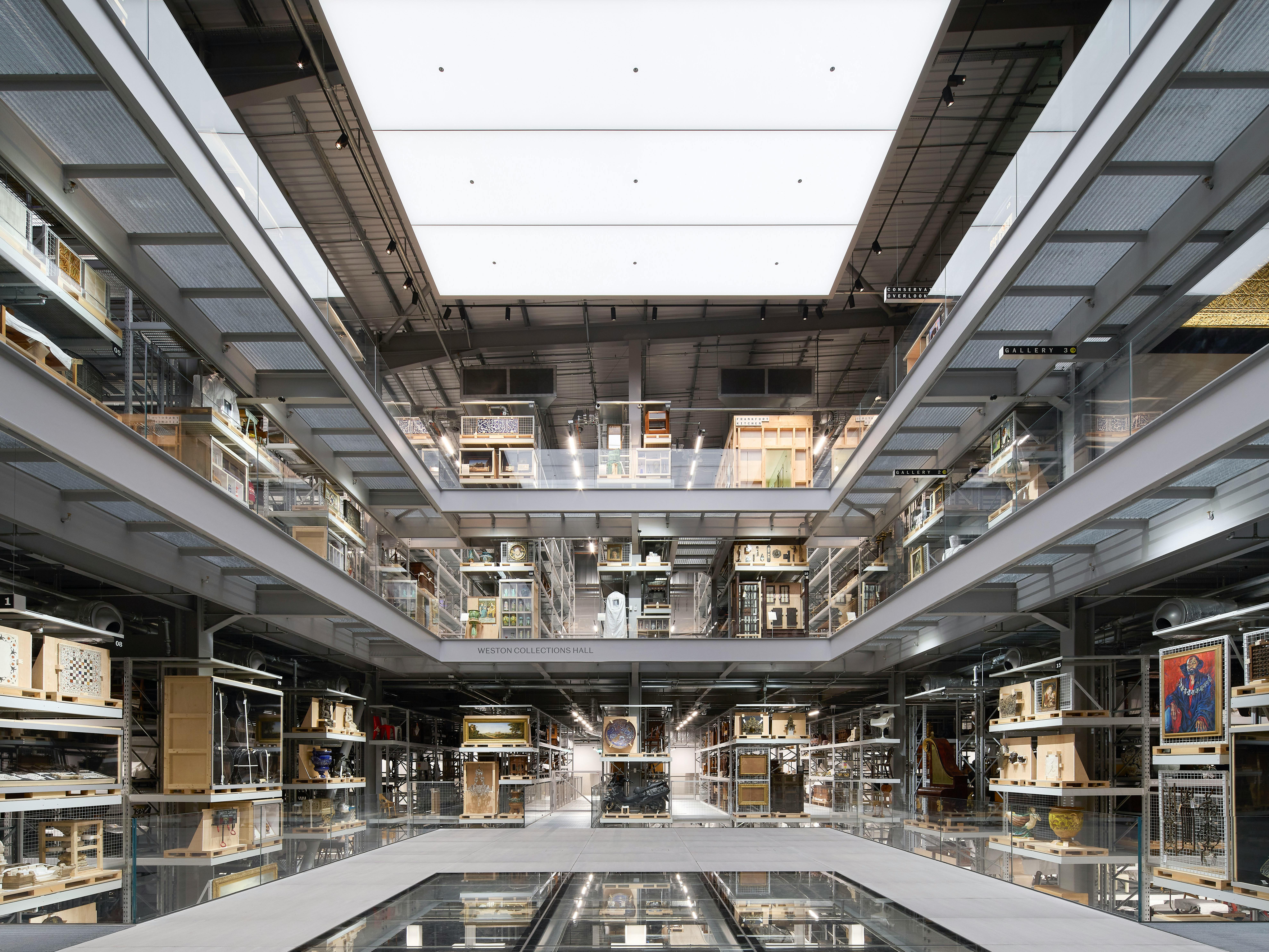
London, Victoria and Albert Museum, DS+R, V&A East Storehouse © Hufton+Crow. Courtesy Victoria and Albert Museum, London.
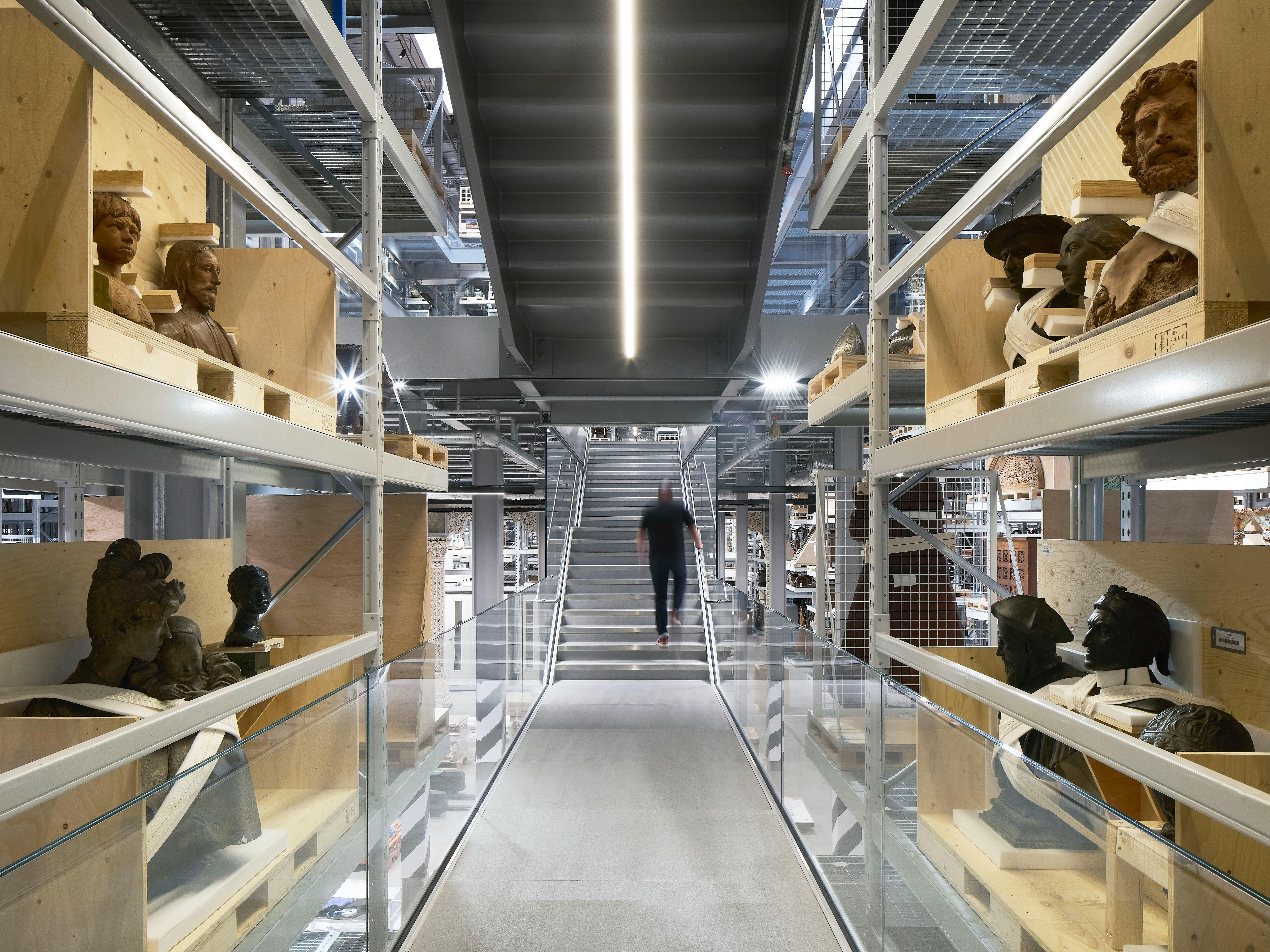
London, Victoria and Albert Museum, DS+R, V&A East Storehouse © Hufton+Crow. Courtesy Victoria and Albert Museum, London.
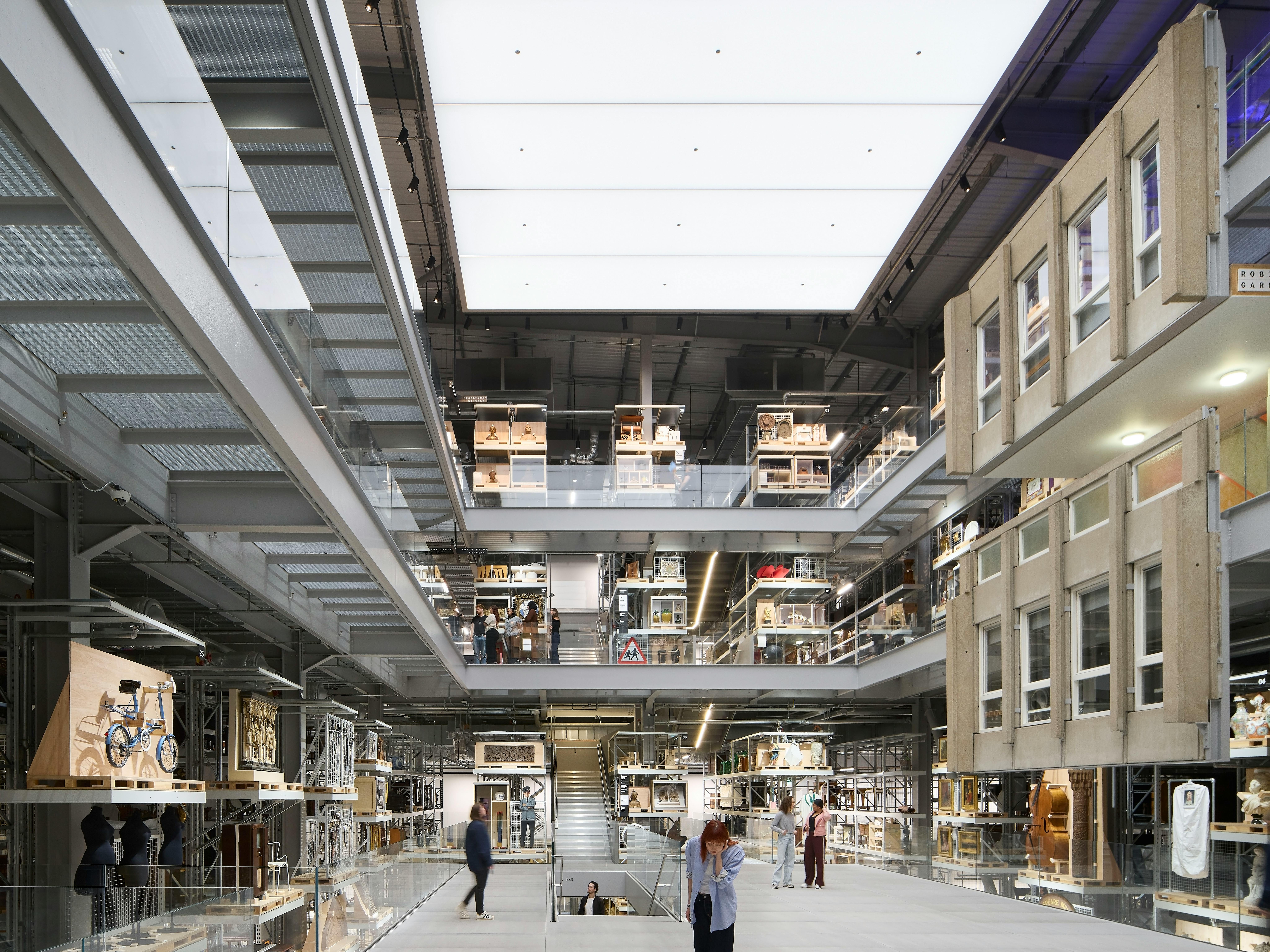
London, Victoria and Albert Museum, DS+R, V&A East Storehouse © Hufton+Crow. Courtesy Victoria and Albert Museum, London.
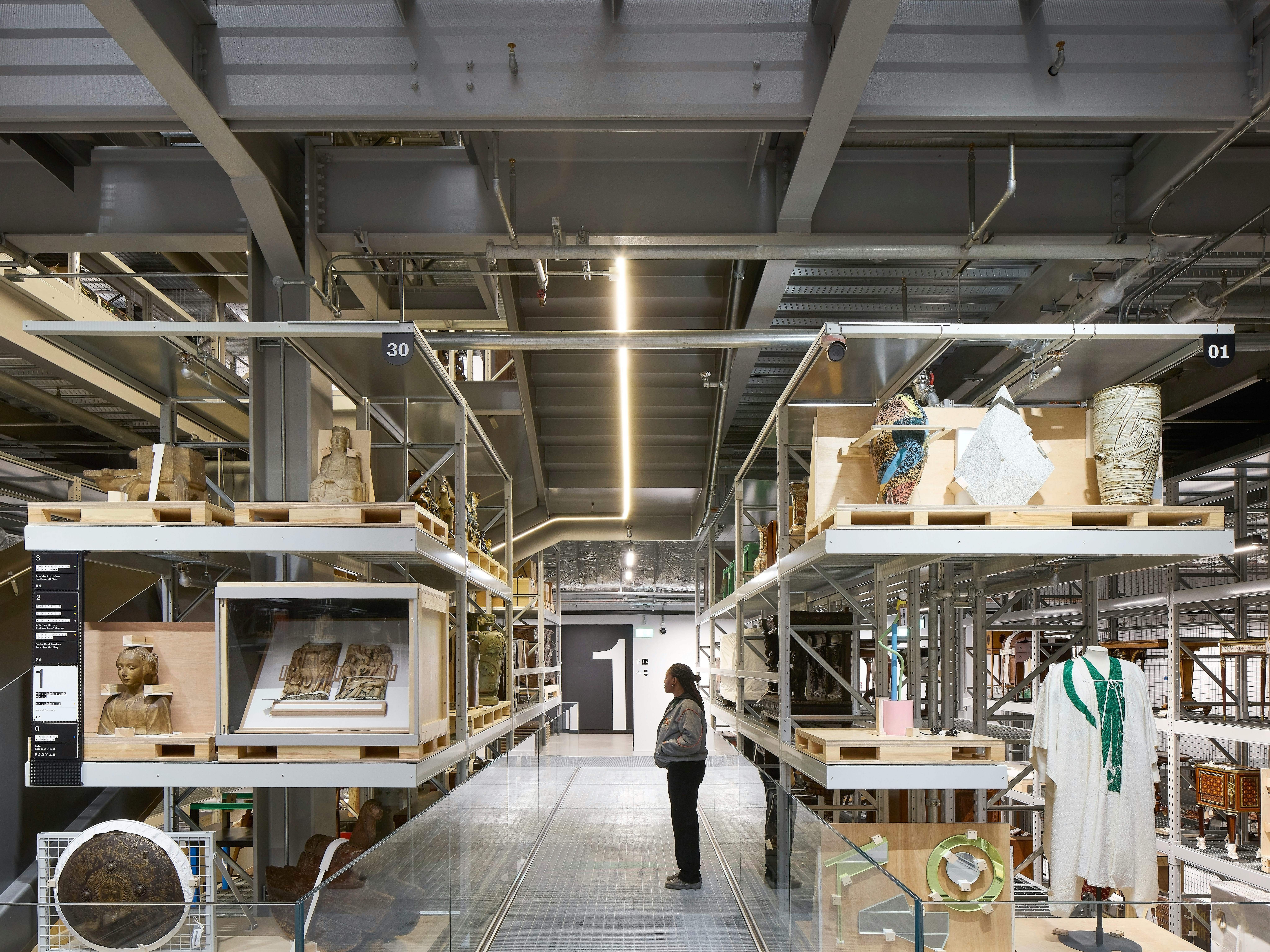
London, Victoria and Albert Museum, DS+R, V&A East Storehouse © Hufton+Crow. Courtesy Victoria and Albert Museum, London.
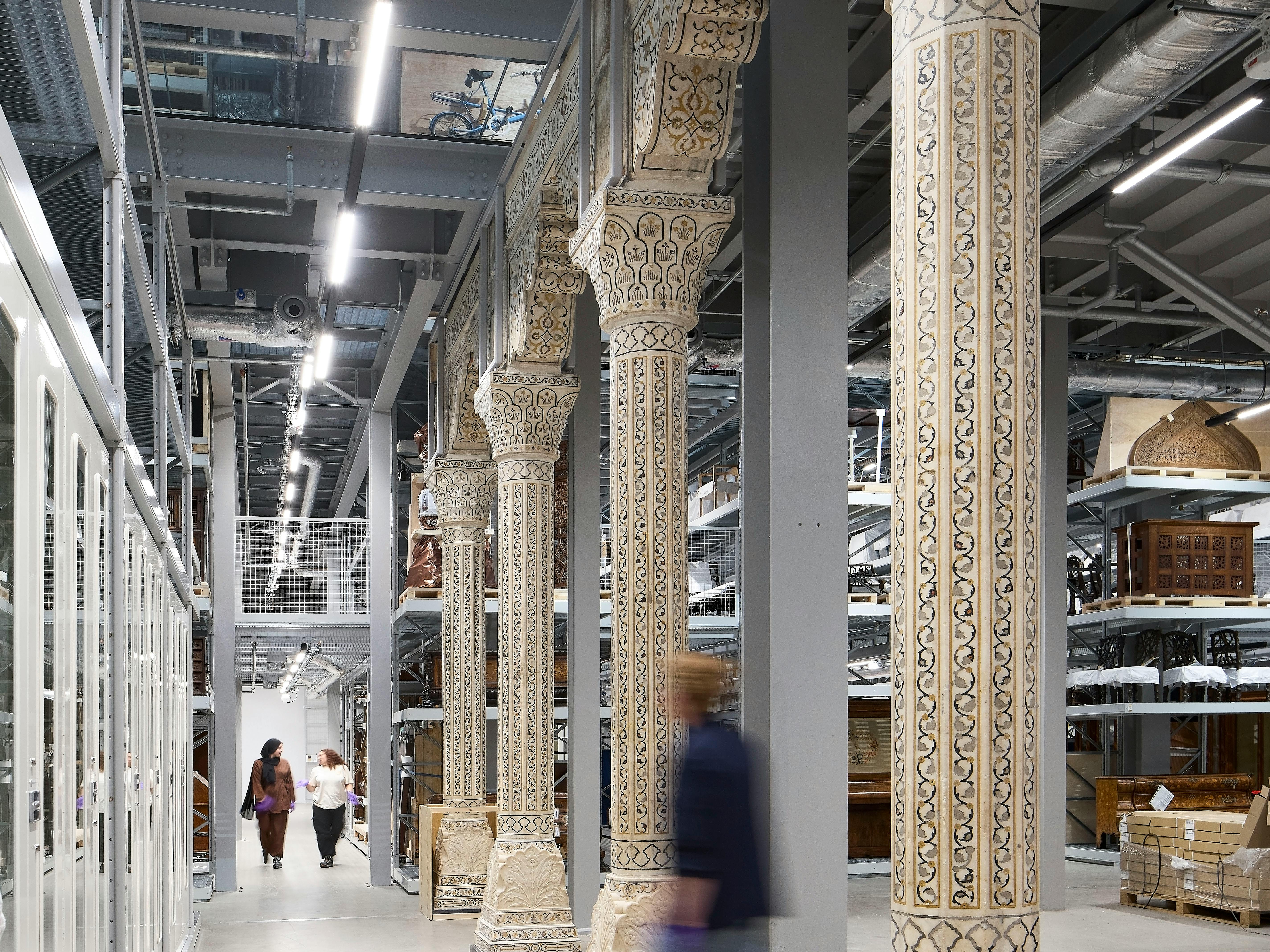
London, Victoria and Albert Museum, DS+R, V&A East Storehouse © Hufton+Crow. Courtesy Victoria and Albert Museum, London.
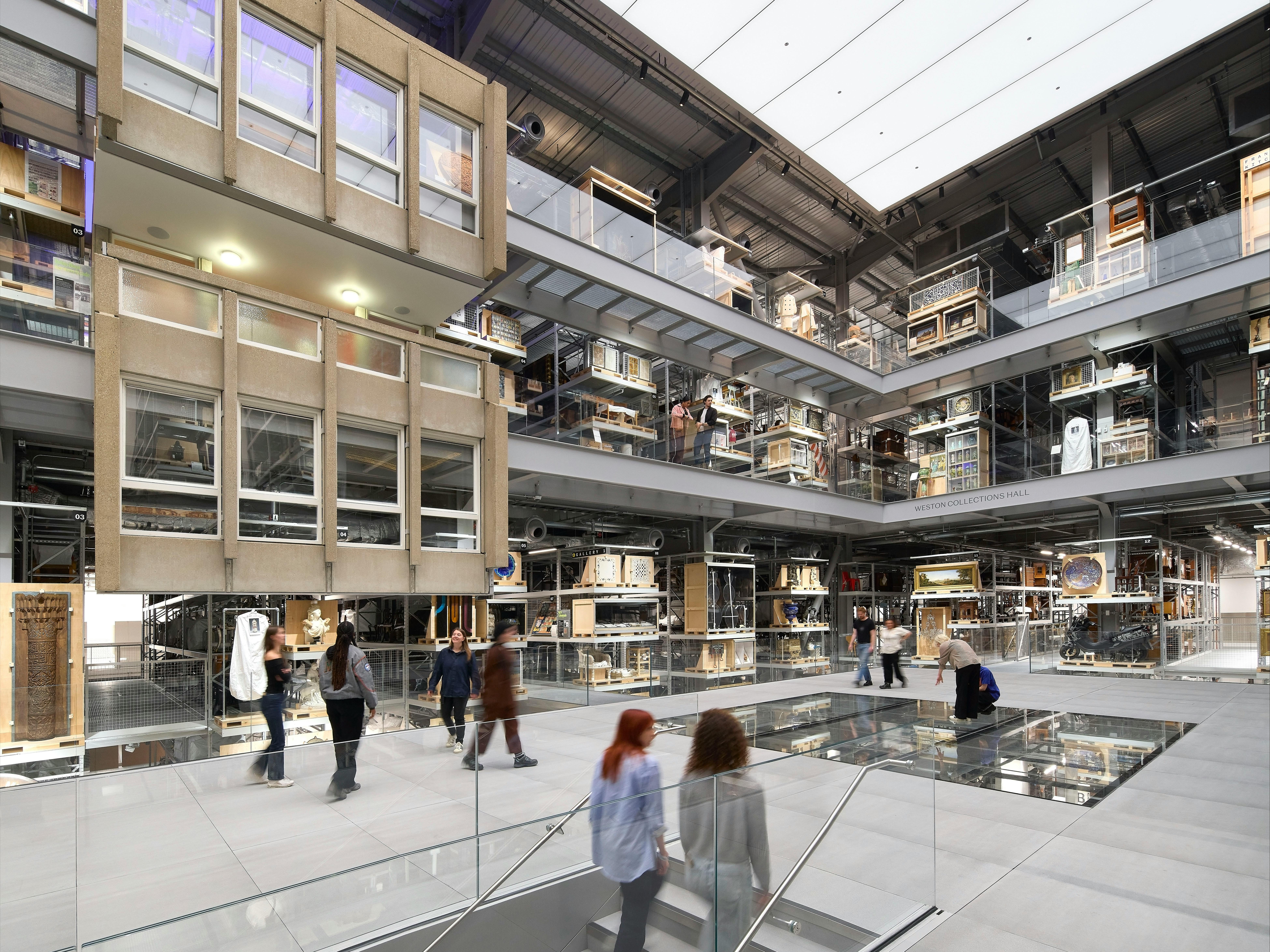
London, Victoria and Albert Museum, DS+R, V&A East Storehouse © Hufton+Crow. Courtesy Victoria and Albert Museum, London.
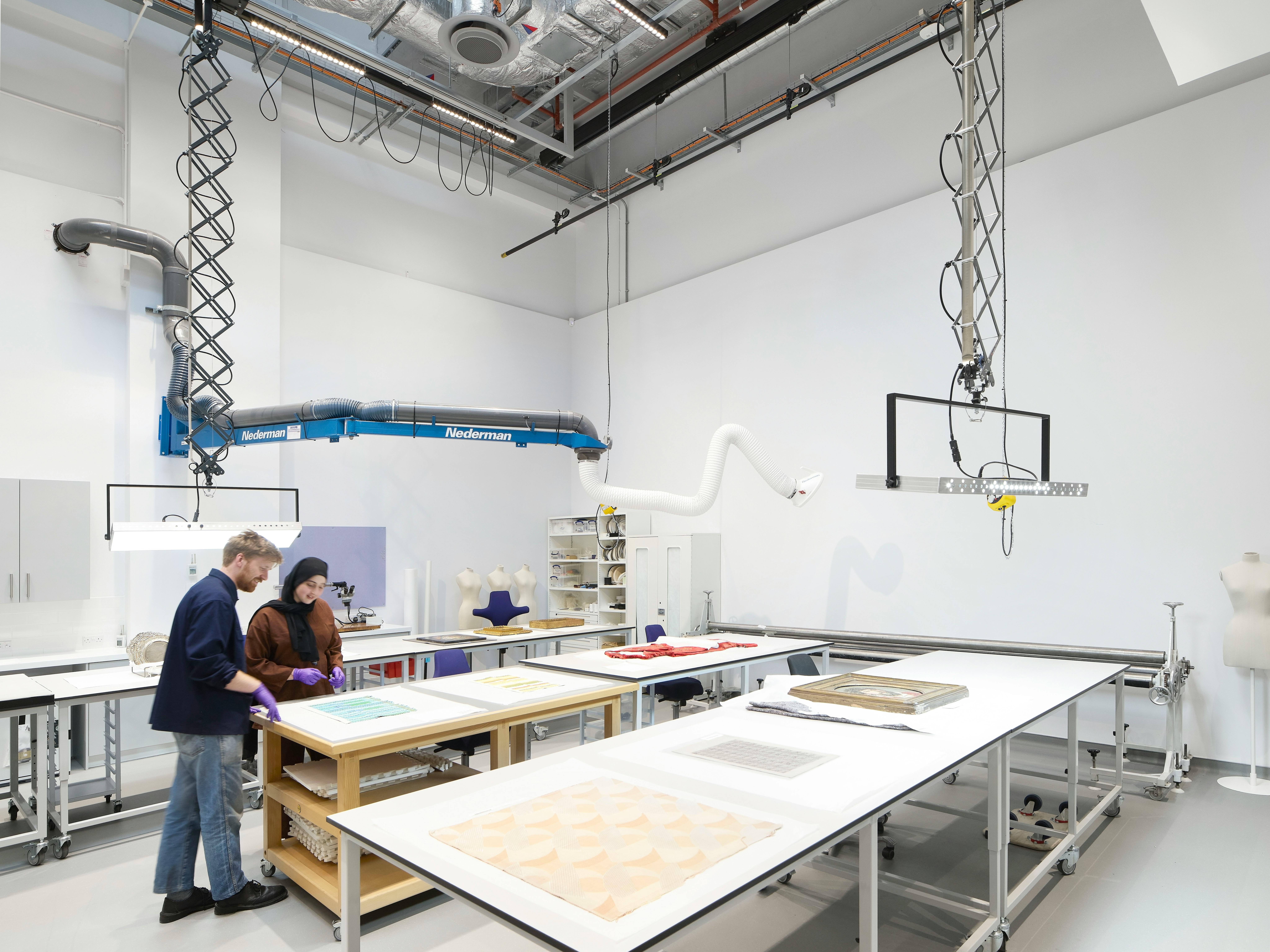
London, Victoria and Albert Museum, DS+R, V&A East Storehouse © Hufton+Crow. Courtesy Victoria and Albert Museum, London.